


Who this plan is for
This is strength training for a living room: three full-body sessions a week, about 35 minutes each, with your own weight as the load. The plan above is for beginners and for anyone coming back to training. The second card, Intermediate Full-Body Bodyweight, 3 days, takes over when the beginner plan gets easy. The third, Home HIIT, No Equipment, 3 days, is a different thing: interval circuits of about 20 minutes for conditioning, not a strength plan.
Choose something else if you own dumbbells: the dumbbell workout plan lets you add load in steps, which bodyweight exercises cannot.
What you need, honestly
“No equipment” is almost true. The beginner plan asks for three things you probably have:
| For | You need | Check before the first set |
|---|---|---|
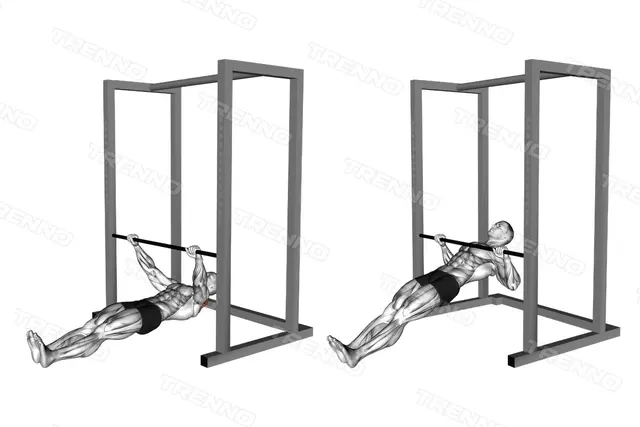
| The Inverted Row | A sturdy table, or a bar at hip height | It must not tip or slide when you hang from its edge |
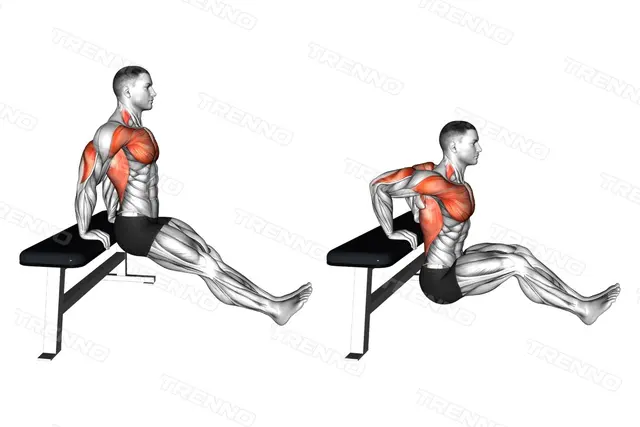
| The Bench Dips | A chair | Against a wall, so it cannot slide back |
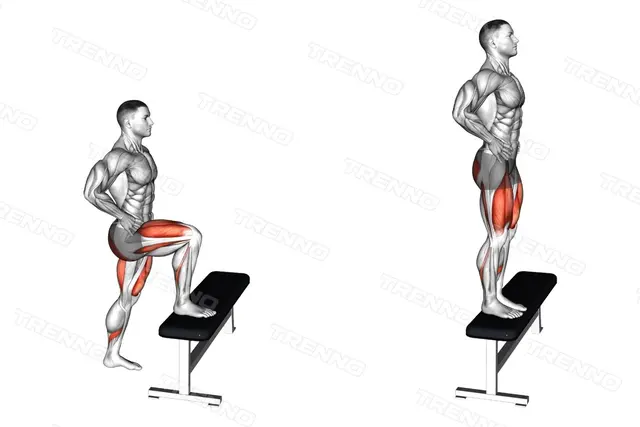
| The Step-Up | A step or a low box | Stable and not slippery |
The intermediate plan adds a pull-up bar for the Chin-Up and something to hold your feet down for the Nordic Hamstring Curl.
How the week works
| Day | Session |
|---|---|
| Monday | Bodyweight Full Body A |
| Wednesday | Bodyweight Full Body B |
| Friday | Bodyweight Full Body C |
| The other days | Rest, or a walk |
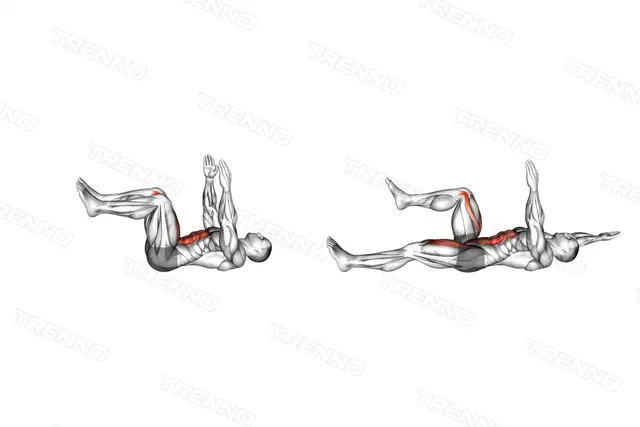
Each session trains the whole body: a push, a leg exercise, a row, the hips and the core. The row comes back every day because pulling is the easiest thing to leave out at home. Three days a week also meets the WHO recommendation of muscle strengthening on 2 or more days a week.
Sets, reps, rest and effort
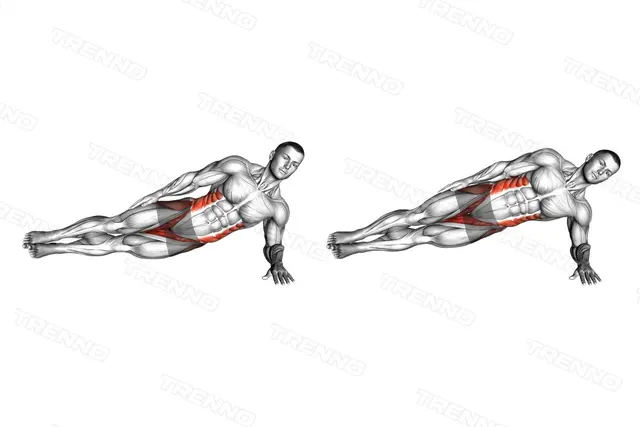
Every exercise gets 3 sets (the Side Plank 2 per side), with 1:30 of rest on the pushes, legs and rows and 1:00 on the hips and the core. The ranges are wide, from 6 to 12 on the rows to 15 to 25 on the Bodyweight Squat, because a bodyweight exercise is made harder by changing the exercise, not by a small step of weight.
End each set with 1 to 3 clean reps left. Light loads build muscle when the sets are hard: a meta-analysis of 21 studies found similar muscle growth with low and high loads (Schoenfeld and colleagues, 2017). Push-ups set to a comparable load grew the chest and the triceps as much as a light bench press over 8 weeks (Kikuchi and Nakazato, 2017), and in trained students, push-ups made as heavy as a 6-rep bench press with elastic bands built the same strength over 5 weeks (Calatayud and colleagues, 2015).
How to progress without weights
When every set reaches the top of its range, move one step up the ladder and start again at the bottom of the range. Or, first, slow the lowering to 3 seconds: the same exercise becomes harder without changing it.
| Pattern | The ladder, easiest first |
|---|---|
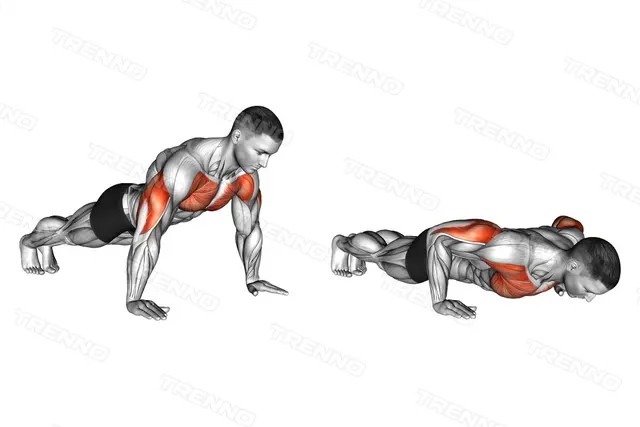
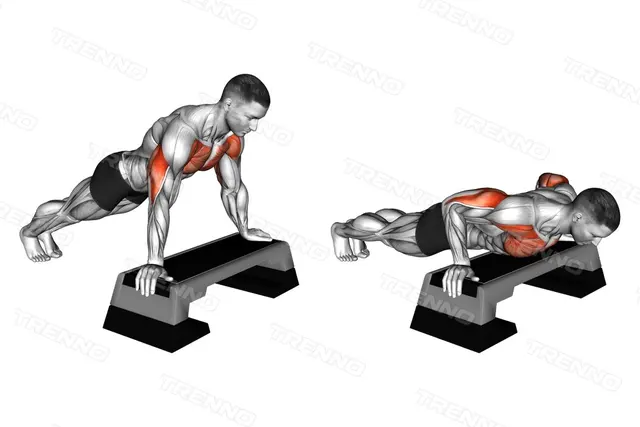
| Push | Incline Push-Up (hands on a wall, then a table, then a chair), Kneeling Push-Up, Push-Up, Decline Push-Up, Diamond Push-Up |
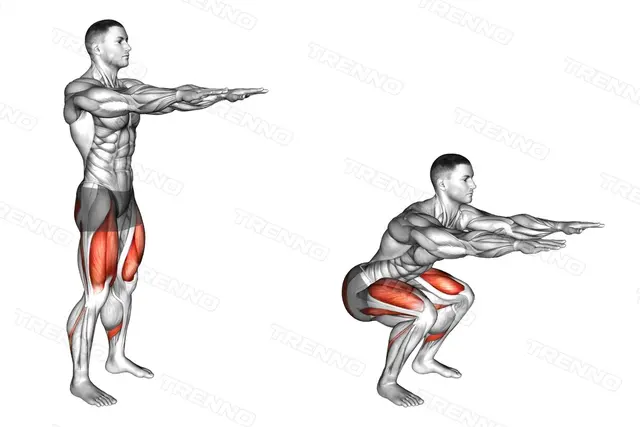
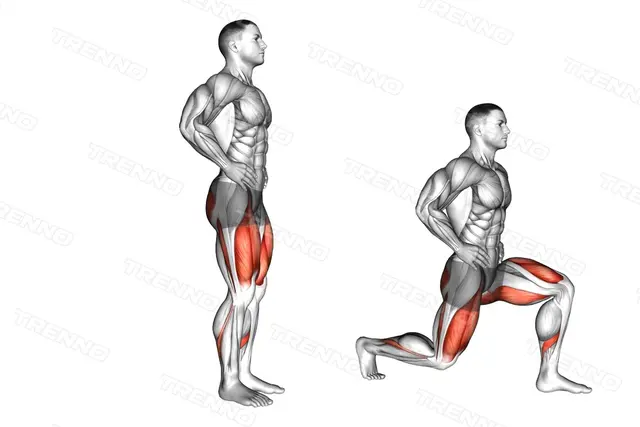
| Legs | Bodyweight Squat, Reverse Lunge, Step-Up, the Bulgarian Split Squat without dumbbells, Pistol Squat (Assisted), Pistol Squat |
| Pull | Inverted Row with bent knees, then with straight legs, then with the feet raised, then the Chin-Up |
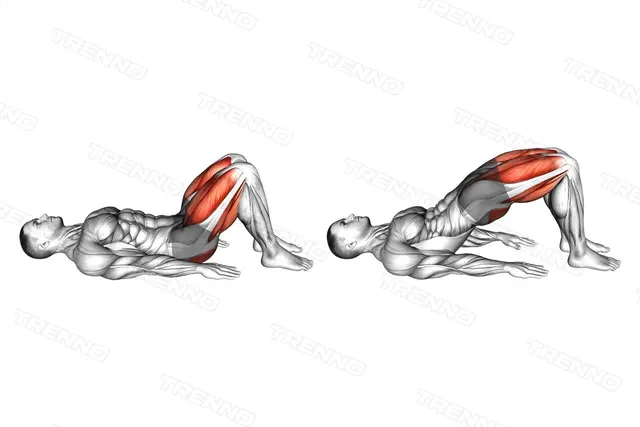
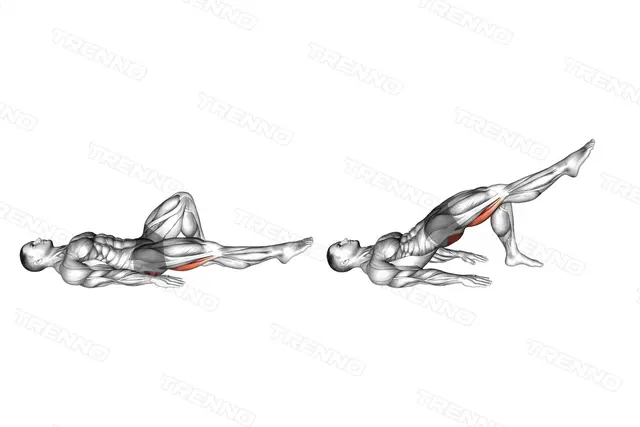
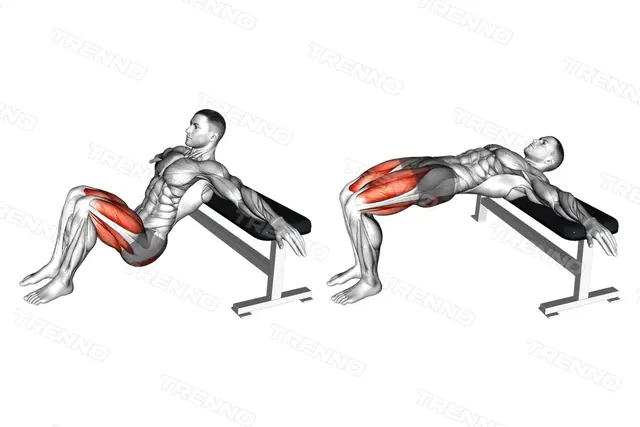
| Hips | Glute Bridge, Single-Leg Glute Bridge, Bodyweight Hip Thrust with the shoulders on a sofa, Nordic Hamstring Curl |
| Shoulders | Pike Push-Up, with the feet raised once it gets easy |
An example on the push ladder, 3 sets of 8 to 15:
| Week | Exercise | Reps per set | Next session |
|---|---|---|---|
| 1 | Push-Up | 9, 8, 8 | same exercise |
| 2 | Push-Up | 11, 10, 9 | same exercise |
| 3 | Push-Up | 13, 12, 11 | same exercise |
| 4 | Push-Up | 15, 15, 14 | same exercise |
| 5 | Push-Up | 15, 15, 15 | the next step |
| 6 | Decline Push-Up | 9, 8, 8 | same exercise |
The intermediate plan starts where the ladders get hard: the Decline Push-Up, the Diamond Push-Up, the Pike Push-Up, the Pistol Squat (Assisted) and the Chin-Up.
Beginner and intermediate versions
| Beginner plan | Intermediate plan | |
|---|---|---|
| Pushes | Push-Up, Bench Dips, Incline Push-Up | Decline Push-Up, Diamond Push-Up, Pike Push-Up |
| Legs | Bodyweight Squat, Reverse Lunge, Step-Up | Pistol Squat (Assisted), Walking Lunge, Jump Squat |
| Pulls | The Inverted Row every day | The Inverted Row twice, the Chin-Up once |
| Sets per session | 14 to 15 | 17 to 20 |
| A session | about 35 minutes | 40 to 45 minutes |
Move to the intermediate plan when the beginner plan’s 12 weeks are done, or earlier if you reach the top of the range on the Push-Up and on the straight-legged row in every set.
The first two weeks
- Week 1: pick your rung. For each exercise, choose the step where you reach the bottom of the range with 2 or 3 reps to spare. Starting the push on a table’s edge is a normal start.
- Week 2: add reps. Try to beat last week by one rep somewhere in every exercise, with the same clean form.
How long a session takes
At about 40 seconds a set, the prescribed rest and 5 minutes to set up, a session of the beginner plan takes about 35 minutes, the intermediate plan 40 to 45, and a Home HIIT circuit about 20. Add 5 minutes of easy warm-up.
Common mistakes
- Staying on an easy step for 40 reps. Past the top of the range, move up the ladder.
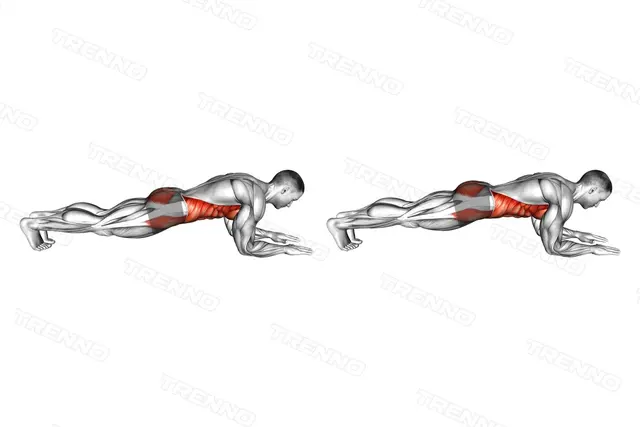
- Letting the hips sag in push-ups and planks. A set ends when the body stops being one straight line.
- Skipping the row for want of a bar. A sturdy table does the job; without pulling, the plan trains only the front of the body.
- Rushing the reps. Speed turns a strength exercise into a bounce.
FAQ
Can you build muscle with bodyweight exercises?
Yes, as long as the sets are hard and the exercises get harder over the weeks. Studies of light loads and of push-ups found muscle growth comparable to lifting weights, when the effort was comparable.
I cannot do a single push-up. Where do I start?
With the Incline Push-Up, hands on a wall or a table. Lower the surface as the reps come, then move to the floor on your knees, then to full push-ups.
How do I row without a pull-up bar?
Lie under a sturdy table, grip its edge and pull your chest up to it: that is the Inverted Row. The Chin-Up needs a bar, which is why it waits for the intermediate plan.
Is Home HIIT enough on its own?
For conditioning, it is a good plan. For strength, a strength plan like the one above works better; if you want both, add one HIIT session on a rest day. How the circuits run, and how to keep them quiet, is in the HIIT workout at home.
Sources
- Schoenfeld BJ, Grgic J, Ogborn D, Krieger JW. Strength and hypertrophy adaptations between low- vs. high-load resistance training: a systematic review and meta-analysis. Journal of Strength and Conditioning Research, 2017.
- Kikuchi N, Nakazato K. Low-load bench press and push-up induce similar muscle hypertrophy and strength gain. Journal of Exercise Science and Fitness, 2017.
- Calatayud J and colleagues. Bench press and push-up at comparable levels of muscle activity results in similar strength gains. Journal of Strength and Conditioning Research, 2015.
- Bull FC and colleagues. World Health Organization 2020 guidelines on physical activity and sedentary behaviour. British Journal of Sports Medicine, 2020.
All three programs are in Trenno’s Explore. The previous session’s reps show beside the empty sets, so you see the day a step of the ladder is done, and the rest timer starts when you tick a set.